
The first day of kindergarten is busy, loud, and full of moving parts. Expect a few tears, a misplaced water bottle, or an untied shoe before 9:00 AM.
You may have spent weeks organizing caddies and labeling bins, but real kindergarten practice looks a bit different. Five-year-olds are learning how to open glue sticks, sit together on a rug, and follow a routine for the first time.
If you are a new kindergarten teacher, take it one step at a time. Your first day does not need to look perfect to be a success. Students will not remember whether every activity went as planned—they will remember how your classroom felt. Keep things calm, predictable, and simple.
Prioritize Connection Over Curriculum
It can be tempting to jump straight into academic instruction on day one, but there is no need to rush.
For many children, this is their first full day away from home. They are exploring an unfamiliar building, learning new routines, and adjusting to a busy environment.
Instead of focusing on reading or math right away, make your primary goals warm and grounded:
🍎 Learning and pronouncing everyone’s names correctly
🍎 Building emotional safety and trust
🍎 Helping students locate the bathroom and their cubbies
🍎 Establish a supportive, welcoming atmosphere.
When children feel secure, learning follows naturally.

Keep Your First-Day Schedule Ridiculously Simple
Everything takes longer on the first day. Walking to the cafeteria, unpacking a backpack, and lining up at the door are major steps for a five-year-old. Build plenty of extra time into your schedule so you never feel rushed.
Leave Space for the Unexpected
A slower, open schedule leaves room for:
🍎 Support a student who feels homesick.
🍎 Assist with extra bathroom trips.
🍎 Repeat directions calmly as students learn.
🍎 Allow plenty of time for dismissal without a rush.
Treat Daily Procedures Like Major Content Lessons
Simple tasks require clear, step-by-step guidance. Model, practice, and repeat each routine together before expecting independence.
How to Teach a Routine
🍎Model: Show the class the exact steps to follow.
🍎 Practice routine together as a group.
🍎 Encourage students to follow the steps the right way.
🍎 Repeat: Do it again until it clicks!
This process feels painfully slow on day one, but it saves your sanity for the rest of the school year.
Lean Heavily on Low-Prep, Engaging Activities
Five-year-olds have incredibly short attention spans. Sitting on the rug for thirty minutes to listen to a long lecture will immediately lead to the wiggles, side chatter, and complete frustration.
Keep your activities short, punchy, and highly interactive. Alternate sitting down with standing up and moving.
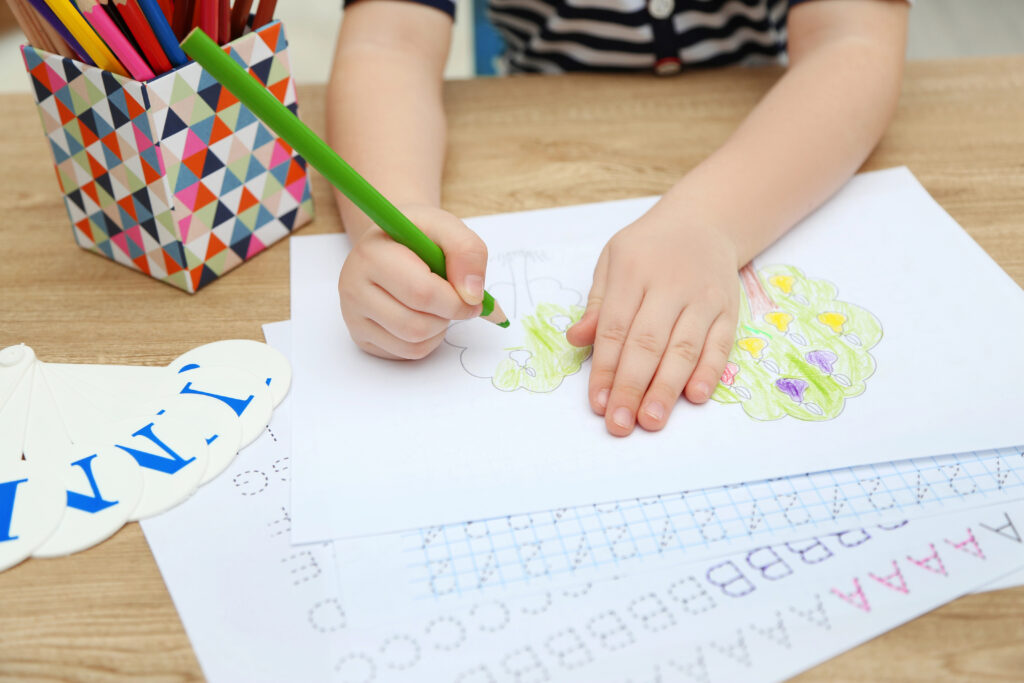
If you need a brilliant morning arrival activity or a quiet desk task while you sort out dismissal forms, keep things simple and completely stress-free. Using these Welcome Back to School Coloring Pages gives your students an immediate, low-prep success the second they sit down. It keeps their hands busy so you can handle parent drop-off tears without a single ounce of prep stress.
Protect Your Voice with Clear Visual Levels
If you find yourself shouting over twenty-five chatty five-year-olds on day one, your voice will suffer. You will be completely hoarse by day three. Kindergarten students experience auditory fatigue when teachers rely too heavily on constant verbal reminders.
Instead of competing with classroom noise, explicitly teach voice expectations using clear visual cues from the very first morning.
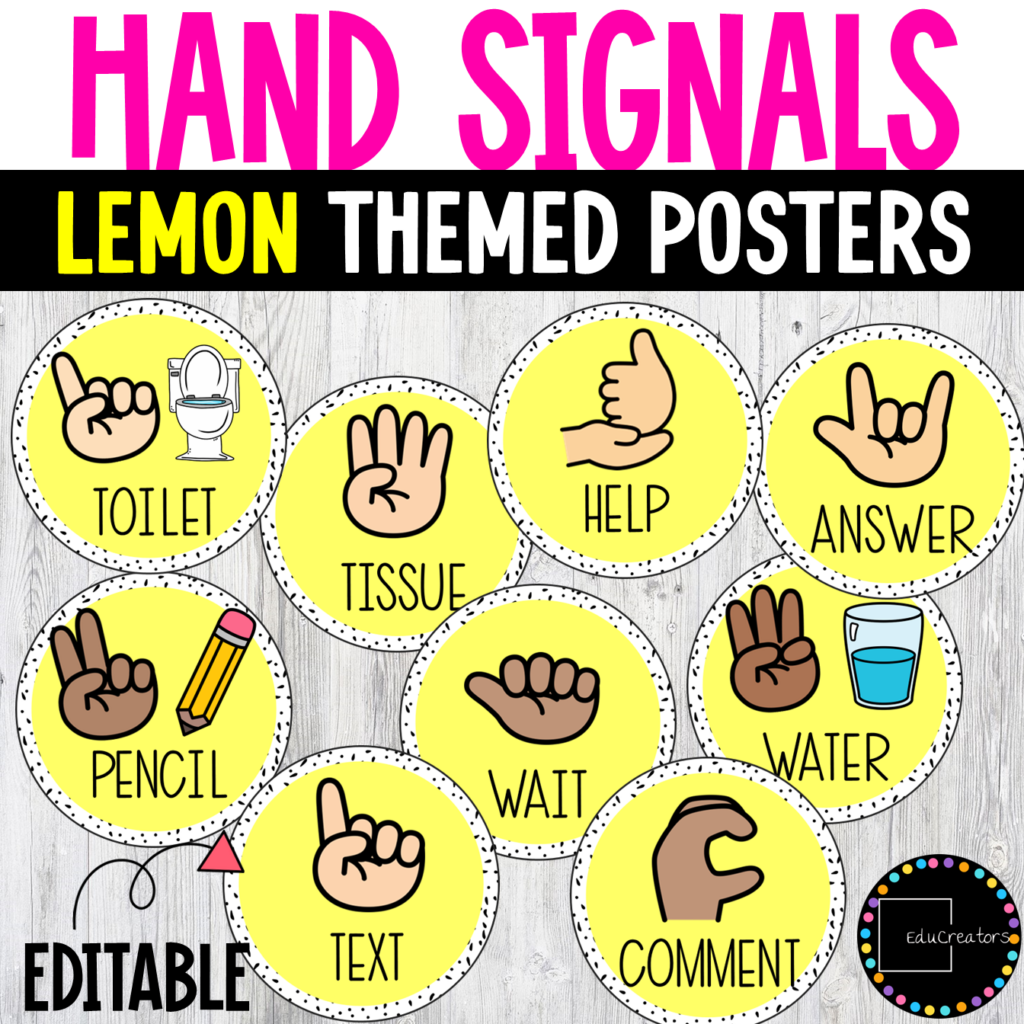
Cut down on constant classroom interruptions by introducing these Hand Signals Posters into your daily rug routines. Instead of your students shouting over each other to ask for a bathroom break or a pencil sharpen, they learn to use these quiet visual signs. Once your students know the signals, you can manage the entire room with a simple nod or a matching hand gesture.
Prepare for Big Emotions from Kids and Parents
The kindergarten hallway on day one can feel like a soap opera. Tears are completely normal, and they come from both the kids and the grown-ups!
The best thing you can do is project total confidence. When parents see that you are calm and collected, it helps them loosen up too.
Handling the Morning Drop-Off
🍎 Keep goodbye routines short, sweet, and consistent.
🍎 Gently guide crying students over to an engaging table activity.
🍎 Avoid long, drawn-out goodbyes that prolong the anxiety.
🍎 Reassure families that their children are safe and in wonderful hands.
Most of those first-day tears magically disappear within ten minutes of the parents walking out the door!
Give Yourself Permission to Pivot
No first day of kindergarten goes exactly according to the lesson plan. A transition might turn into total chaos, or an activity you thought would take twenty minutes might finish in forty.
That is completely okay! Flexible teachers are the best teachers. If something is clearly not working, change it on the fly. Shorten the activity, turn on a fun song, or save a lesson for later in the week. Your ability to stay calm and adaptable matters infinitely more than checking off every box on your schedule.
Celebrate the Small Wins
When the dismissal bell rings and the last student leaves, take a moment to look around and celebrate.
Did everyone eat lunch? Did you get every child onto the correct bus or to the right parent? Did a nervous child finally smile? Those are massive victories! Kindergarten is a marathon, not a sprint. You are laying the foundation for an incredible school community, and you should be so proud of surviving day one.