
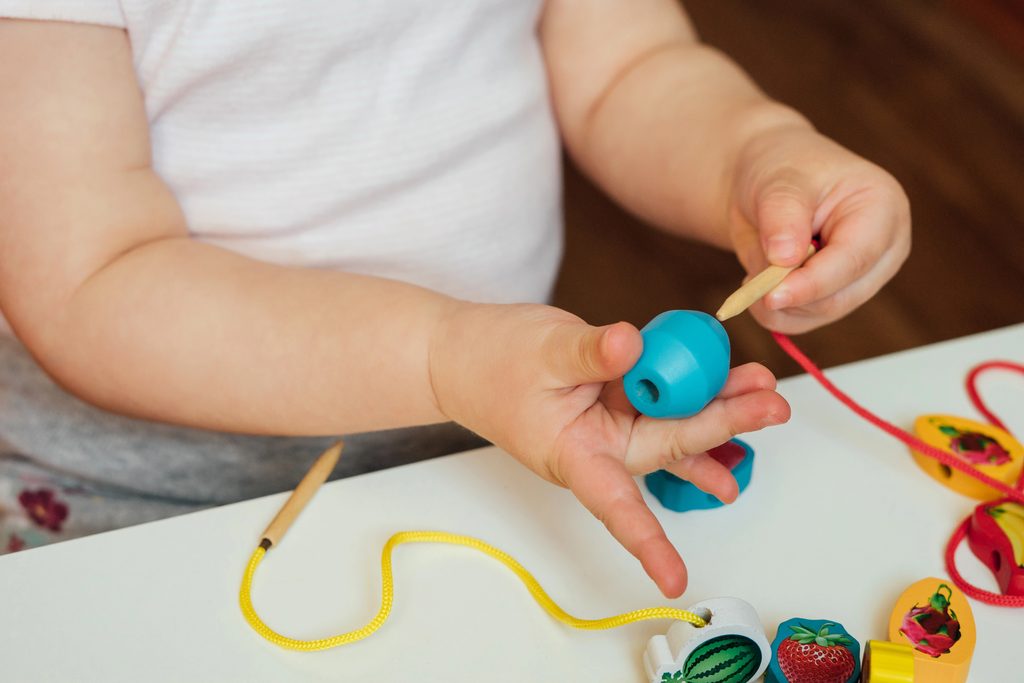
It starts with a pencil. A tiny fist grips it like it might run away, knuckles white, letters wobbling all over the line. You have seen it a hundred times at the writing center, and you know exactly what it means: those little hands are not quite ready yet.
The good news? Fine motor skills in kindergarten are built, not born. And building them does not require a fancy program or hours of prep.
You need the low-prep fine motor toolkit. Play dough, tweezers, hole punchers, clothespins, and paper strips. Things you probably already have in a cabinet somewhere.
Here is why fine motor skills in kindergarten matter, plus 15 low-prep activities you can run this week.
Why Fine Motor Skills Matter in Kindergarten
Fine motor skills are the small-muscle moves that make school life work: holding a crayon, cutting on a line, opening a lunchbox, buttoning a coat. When those skills are solid, kids feel capable. And capable kids take risks. They write more, draw more, and raise their hands more.
The flip side? When hands get tired fast, confidence fades fast. That wobbly pencil grip is not a behavior problem. It is a strength problem. And strength problems have a simple fix: practice that feels like play.
The key? You do not need a separate “fine motor time.” You need activities that slide into routines you already run: morning tubs, centers, and the two-minute gaps between lessons.
15 Low-Prep Fine Motor Activities for Kindergarten

Squish and Strengthen: Play Dough Power
Play dough is the heavyweight champ of fine motor practice. It builds hand strength without a single worksheet.
- 1. Snake letters. Roll play dough into long snakes, then coil them into letters and numbers.
- 2. Bead dig. Hide tiny beads inside a dough ball and have kids dig them out with their fingers. Pure pincer grasp gold.
- 3. Pinch and press. Pinch off small dough balls and press them flat onto letter mats or simple outlines.
Pick It Up, Move It Over: Tweezers and Transfer Work
Transfer work is exactly what it sounds like: moving small things from one container to another. It is quiet, focused, and kids genuinely love it.
- 4. Pom-pom transfer. Use tweezers to move pom-poms from a bowl into an ice cube tray.
- 5. Scoop and pour. Set up a bean or rice station with scoopers and funnels. Grab a fine motor tool set with kid-friendly tweezers, scoopers, and tongs, and you have an instant station.
- 6. Eyedropper water play. Transfer colored water between cups and watch the colors mix.

Snip, Snip, Hooray: Cutting Practice
Scissor skills take mileage, not magic. The more kids snip, the steadier those cuts get.
- 7. Cutting strips. Hand out paper strips with straight lines first, then zigzags, then curves. Success in minutes, cleanup in seconds.
- 8. Cut the snakes. Let kids snip play dough snakes or plastic straws into small pieces. Satisfying, and it builds the same hand muscles scissors need.
And when you want a print-and-go option, one-page alphabet crafts double as fine motor practice: kids color, cut, and glue while they work on letter sounds.
Trace It, Strengthen It: Pencil Control
Tracing builds the tripod grip and the control that makes handwriting practice in kindergarten actually click.
- 9. Pre-writing strips. Mazes, wavy paths, and connect-the-dots that guide a pencil from point A to point B.
- 10. Rainbow write. Trace the same letter in three colors, one on top of the other.
Stronger hands make writing easier, which is why draw and write activities(FREE) from a past post pair so well with fine motor work. Kids who can control a pencil can get their ideas down without fighting the paper.
Punch, Thread, and Clip: More Tiny-Hand Wins
- 11. Hole punching. Punch along the edge of a card or around a shape outline. Big hand strength win, and strangely satisfying for five-year-olds.
- 12. Beads on pipe cleaners. Threading beads onto a pipe cleaner is easier than string for little hands, and the beads stay put.
- 13. Clothespin counting. Clip the right number of clothespins onto a numbered card.
- 14. Clothespin letter match. Clip a lowercase clothespin onto its uppercase match. Fine motor and phonics in one.
Stand Up, Stretch, Reset: Gross Motor Breaks
Here is the plot twist: big movements help little movements. Gross motor breaks wake up the whole body, including the hands.
- 15. Two-minute movement breaks. Wall push-ups, crab walks, and cross-body stretches between centers. Zero prep, and hands come back stronger. Grab these Simon Says Activity Cards for some fun movements!
How to Add Fine Motor Practice to Your Day
You do not need to carve out a new block of your schedule to make fine motor skills in the classroom a daily reality.
- Morning tubs. Set out one dough or transfer activity per table before the day starts.
- Centers. Swap one center to a fine motor station each week. Rotate the tools so it stays fresh.
- Transitions. Keep a basket of cutting strips or clothespin cards near your rug for the two-minute gaps.
The best part? Every one of these ideas keeps kids highly engaged while costing you almost nothing in prep. That is the whole point: strong hands, calm kids, and a teacher who is not buried in cutting and laminating.
Got Questions?
How do I help a child with weak fine motor skills?
Start small and stay consistent: five to ten minutes of play dough, tweezers, or snipping a few times a week. Pair it with gross motor breaks, and celebrate the small wins out loud. If you see little progress over several weeks, loop in your school’s occupational therapist or support team for extra guidance.
How much fine motor practice do kindergarteners need each day?
Even ten to fifteen minutes of intentional practice a day makes a real difference. Morning tubs and centers make it easy because the practice is already built into your routine.
What is the difference between fine motor and gross motor skills?
Fine motor skills use the small muscles in the hands and fingers for writing, cutting, and buttoning. Gross motor skills use the big muscles for running, jumping, and balancing. Both matter, and quick gross motor breaks actually help the fine motor work.
Here is the honest part: you do not need a cart full of new supplies to build fine motor skills in kindergarten. You need a basket of play dough, a few tweezers, some paper strips, and ten minutes you already have.
Start with one station this week. Watch a wobbly grip turn into a confident one. That is the whole win.
💗Vanessa