
Hey teacher friend, it’s almost that time again “The First Week”. The supply lists are printed, the Target trips are happening, and somewhere in the back of your mind is the same back2school question: “What am I actually doing with these kids on day one?”
Here’s the reality of the first week of school: you can’t teach the curriculum until you teach the routine. And that’s exactly why a solid first week of kindergarten lesson plans matters so much.
Five and six-year-olds don’t care about your pacing guide on day one. They care about where the cubbies are, how lunch works, and whether you’re someone safe to trust. Your plan for week one should match what they actually need: routine, connection, and a whole lot of repeats.
The good news? Planning it doesn’t have to eat your whole summer. The first week of school activities below are low-prep and engaging.

Why the First Week Sets Up Your Whole Year
Think about it this way: every routine you teach this week, you teach once. Every routine you skip, you reteach all year.
The kids are watching everything. How you line up. How you pass out supplies. How you handle the meltdown at the glue stick station. This first week is your one shot to show them how your room works.
So the goal is simple: keep everyone engaged, keep the day moving, and make the routine feel safe and predictable. Engagement keeps the wiggles down. Predictability keeps the tears down. Both save your sanity.
Your First Week of Kindergarten Lesson Plans: The 5-Day Roadmap
Here’s a simple day-by-day plan that works for kindergarten or 1st grade. Same bones, both grade levels.
Day 1: Kindergarten First Day Activities That Build Trust
Day one is about two things: names and safety.
Start with a simple name activity, like a class graph of favorite colors or a name song during morning meeting. Short. Sweet. Zero prep.
Then tour the big routines: cubbies, bathroom, lunch line, and where to sit on the rug. Add a movement break between each stop, because Kinders cannot sit through a tour of anything.
The goal for day one? Every child leaves knowing where their cubby is and that you’re glad they’re here.
Day 2: Teach the Routine Until It Sticks
Day two is where the magic happens, because now you repeat everything from day one, faster.
Practice the hallway line. Practice hand-washing. Practice the “how do we ask for help” routine with role play. The kids think it’s a game. You know it’s wiring their brains.
Then add one small, successful academic task, like name tracing or a coloring page that reviews colors. The task doesn’t matter as much as the feeling of finishing it. Success on day two builds confidence for the whole year.
Day 3: Names, Rules, and Repeats
Now you can layer in your class rules. Keep them short and positive, like “be kind” and “walk in the hallway.” Act them out and have kids show what each rule looks like, and what it doesn’t.
Do another name activity, this time as a craft: names on paper strips, names in the pocket chart, names on a class banner. Repetition is your friend here.
And honestly? Day three is when you’ll be glad you taught routines first. The line is smoother. The transitions are faster. It’s working.
Day 4: First Week of School Activities for Centers
Centers on day four? Yes, but keep them dead simple. One skill, one task, five minutes per center.
Keep the centers low-prep and fast:
- A tub of puzzles
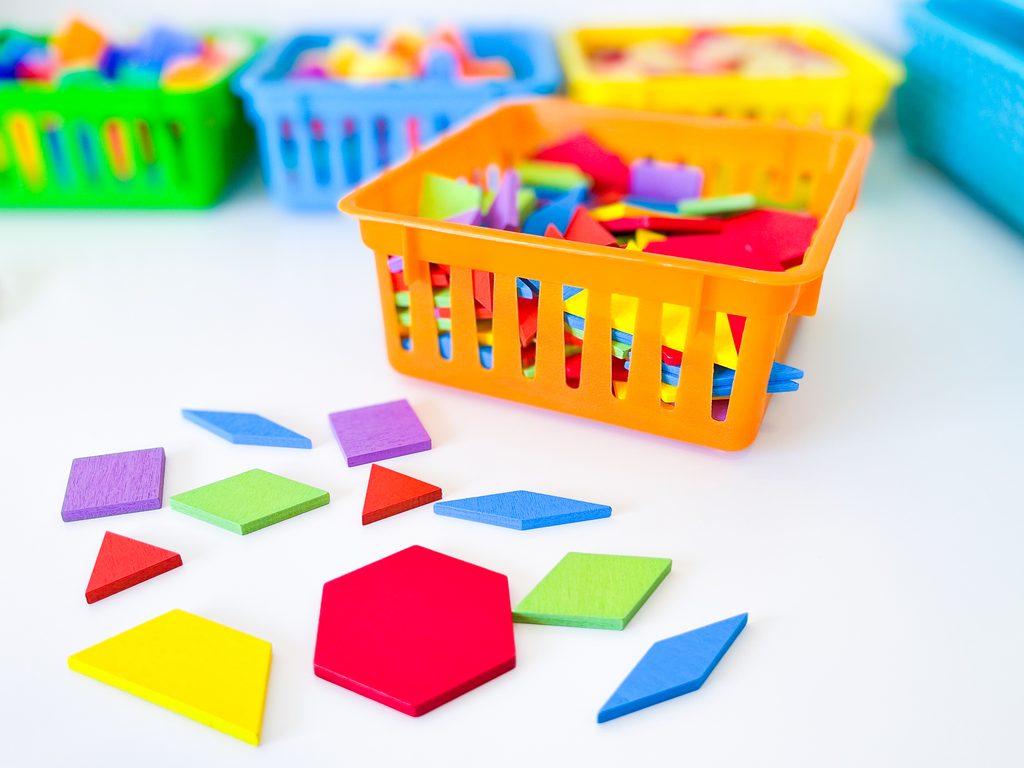
- A bin of pattern blocks
- A basket of picture books
- A simple tracing sheet with crayons
Model each center first, then let the kids try it while you walk around and redirect. By day five, they’ll know exactly what “center time” means. That’s a gift you’ll cash in all year long.
Day 5: Celebrate, Reflect, and Relax
You made it. Day five is for celebration and closure.
Revisit the routines with a quick “I can” checklist. Have kids draw or share one thing they learned about school this week. A simple sticker or certificate goes a long way here.
Then end on a high note with a favorite read-aloud and extra recess. The kids leave happy. You leave with a classroom that knows the drill. That’s a win.
The Key? Low-Prep Activities
Notice what none of these first week of school activities required: laminating marathons (I personally like laminating :P), hours of cutting, or a color-coded files.
That’s the whole point. You’re already juggling a thousand things in August. Your lesson plans should lighten the load, not add to it.
Low on stress. Big on connection. That’s what back 2 school kindergarten should feel like.
Got Questions?
How do I plan the first week of kindergarten?
Start with routines, not curriculum. Pick two or three core routines to teach each day, like lining up, using the bathroom, and cleaning up centers. Keep activities short, repeat them daily, and leave buffer time for the unexpected, because the unexpected will happen.
What should I teach on the first day of kindergarten?
Focus on names, safety, and one or two big routines. A simple name activity, a classroom tour, and a read-aloud about school are plenty for day one. Save real academic content for later in the week, once kids know where things are and what to expect.
How long should first-week activities last?
Plan for five to ten minutes per activity in kindergarten, and ten to fifteen in 1st grade. These kids have small attention spans in week one, so end an activity while it’s still fun instead of pushing through. Short and successful beats long and messy every time.
That’s your first week, teacher friend: simple, repeatable, and full of connection.
Pick one day and start there. You don’t need perfect. You need a plan that works for real five- and six-year-olds, and this one does.
Happy planning, and here’s to a first week that actually feels good.
💗Vanessa