
It is Back to School season, and your phonics shelf is a mess. The worksheets are stacked, the small group bin is overflowing, and somewhere between Meet the Teacher night and the first staff meeting you still have to decide what the reading block will look like. Sound familiar?
Enter: UFLI Foundations. It is the free UFLI phonics program from the University of Florida Literacy Institute that K-1 teachers keep asking about. Once you see the daily routine, you will understand why.
What Is UFLI Foundations?
UFLI Foundations is a free, explicit, and systematic phonics program created by the University of Florida Literacy Institute. Every lesson plan and resource lives on the UFLI website at ufli.education.ufl.edu.
The program is built around daily 30-minute lessons with a consistent structure. Each lesson includes explicit phonemic awareness and phonics, so students practice hearing sounds and mapping them to letters. You are never inventing a lesson on the fly. The plan is already there.
Why Teachers Love UFLI
Teachers love UFLI for two simple reasons: it works, and it is free.
Young readers thrive on predictable routines, and UFLI delivers one. When students know what comes next in the lesson, they spend less energy guessing and more energy learning. The key? Every step builds on the one before it. Phonemic awareness leads to phonics, phonics leads to word reading, and word reading leads to connected text. That is explicit, systematic teaching in action.
Plus, it saves your prep time. The free lesson plans and resources are ready to go, so your planning time shrinks while student engagement stays high. Built-in assessments mean you do not have to build a data system from scratch either. The checks are already part of the program. That is the best kind of trade.
Your UFLI Lesson Plan: The Daily Routine
Here is what a typical UFLI lesson plan looks like. Same order, same flow, every day, for about 30 minutes.
- Phonemic awareness warm-up: students hear and play with sounds.
- Drills: students review sounds and letters they have already learned.
- New concept: you teach one new phonics pattern with clear, explicit language.
- Word work: students build and read words with letter tiles.
- Connected text: students read a decodable passage that uses the new pattern.
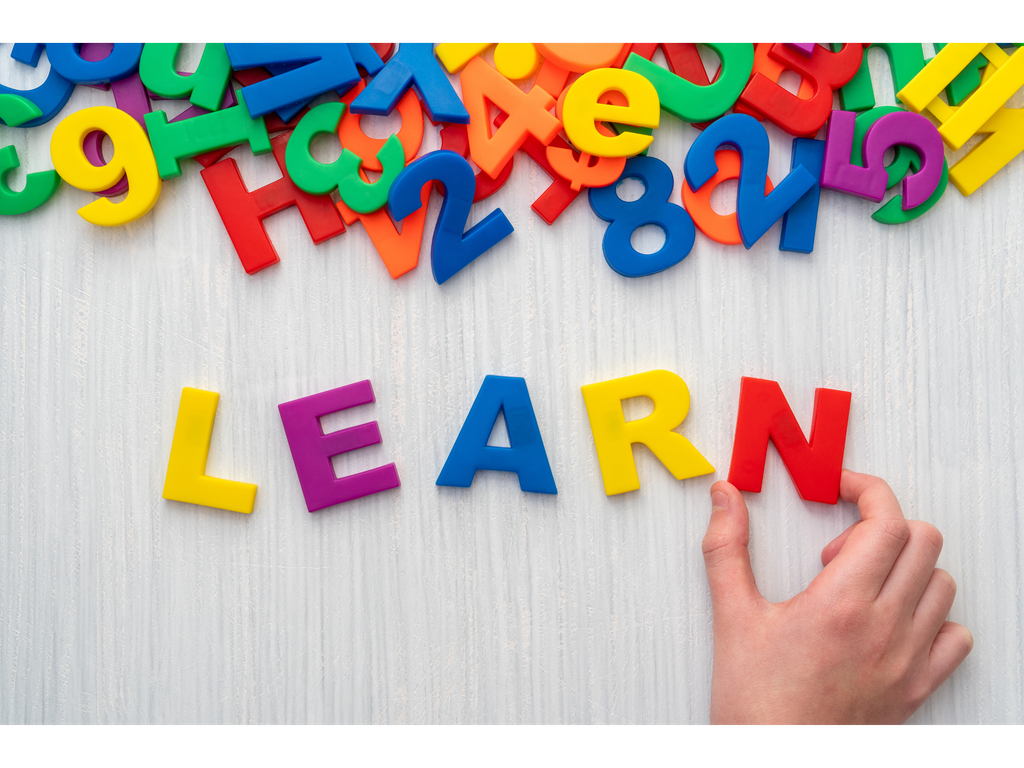
A class set of magnetic letter tiles is worth the small investment here. When kids touch, move, and say each sound, the letter-sound connection sticks. The structure also helps with classroom management. When every student knows what comes next, transitions take seconds, not minutes.
UFLI Heart Words, Explained
Some high-frequency words do not follow the rules. Think of words like ‘said’ or ‘was.’ UFLI calls them heart words because part of the word has to be learned by heart.
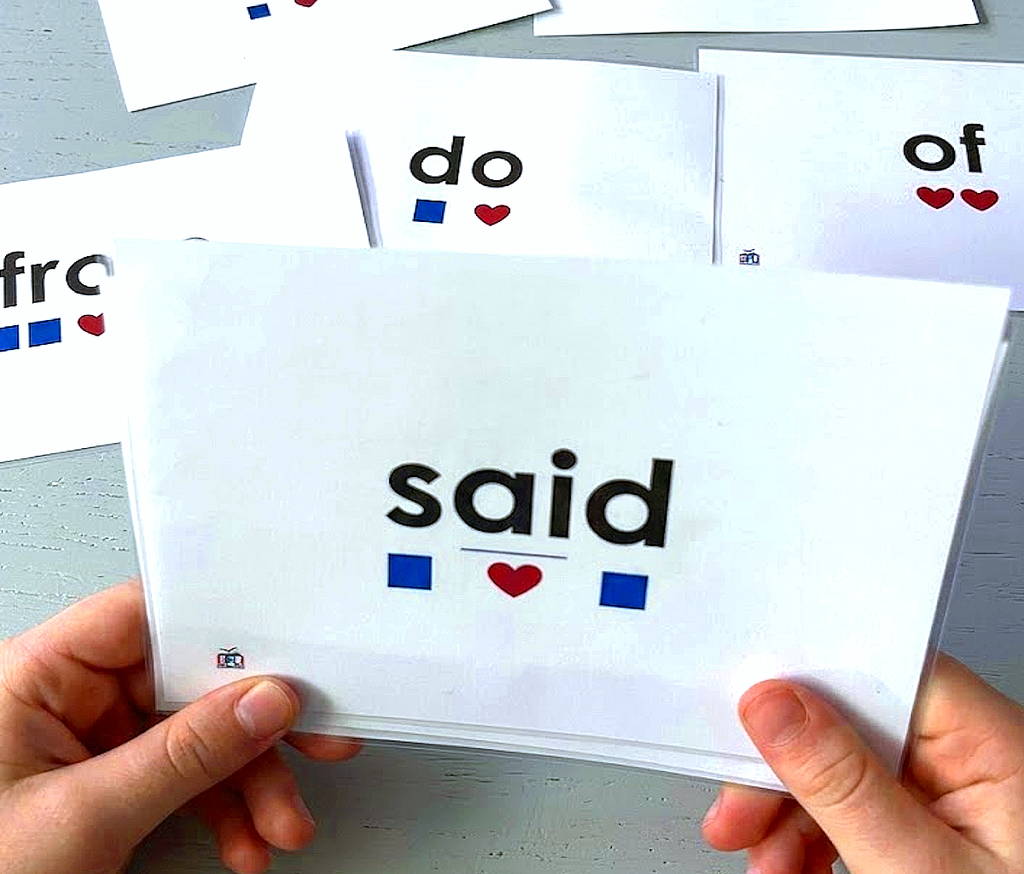
Here is how it works: you teach the regular parts with phonics, then put a heart over the irregular part students must memorize. This keeps the lesson honest. Students still use their decoding skills, but they get a clear signal about which part is tricky.
UFLI heart words are built into the lesson sequence, so you never wonder which words to teach or when to teach them. The routine is short on purpose. A few minutes a day keeps the words sticky without eating the whole block.
Decodables and Small Groups
Decodable passages are part of the program. Students read text that only uses the sounds and patterns they have learned, so the reading challenges them without setting them up to fail. Decodable passages also build confidence. Kids read a whole story using skills they actually have, and that feeling carries them into the next lesson.
Small groups are where the differentiation happens. Use the built-in assessments to sort students, then reteach a concept in a small group while the rest of the class works on word work. For more on running groups, read these small group instruction tips.
A Week-by-Week UFLI Implementation Plan
Ready to plan? Here is a simple way to roll out UFLI Foundations over the first weeks of school. Adjust the pace to your class. The point is the pattern, not the exact date.
Weeks 1-2: Learn the Routine
Teach the first lessons at a steady pace and keep the order identical every day. Post the lesson steps where students can see them. Your goal is not speed. It is routine.
Weeks 3-4: Add Heart Words
Start the heart word routine as soon as the lesson flow feels smooth. Review the words daily and keep the tricky part front and center. Short and frequent beats long and rare.
Weeks 5-6: Layer In Decodables and Small Groups
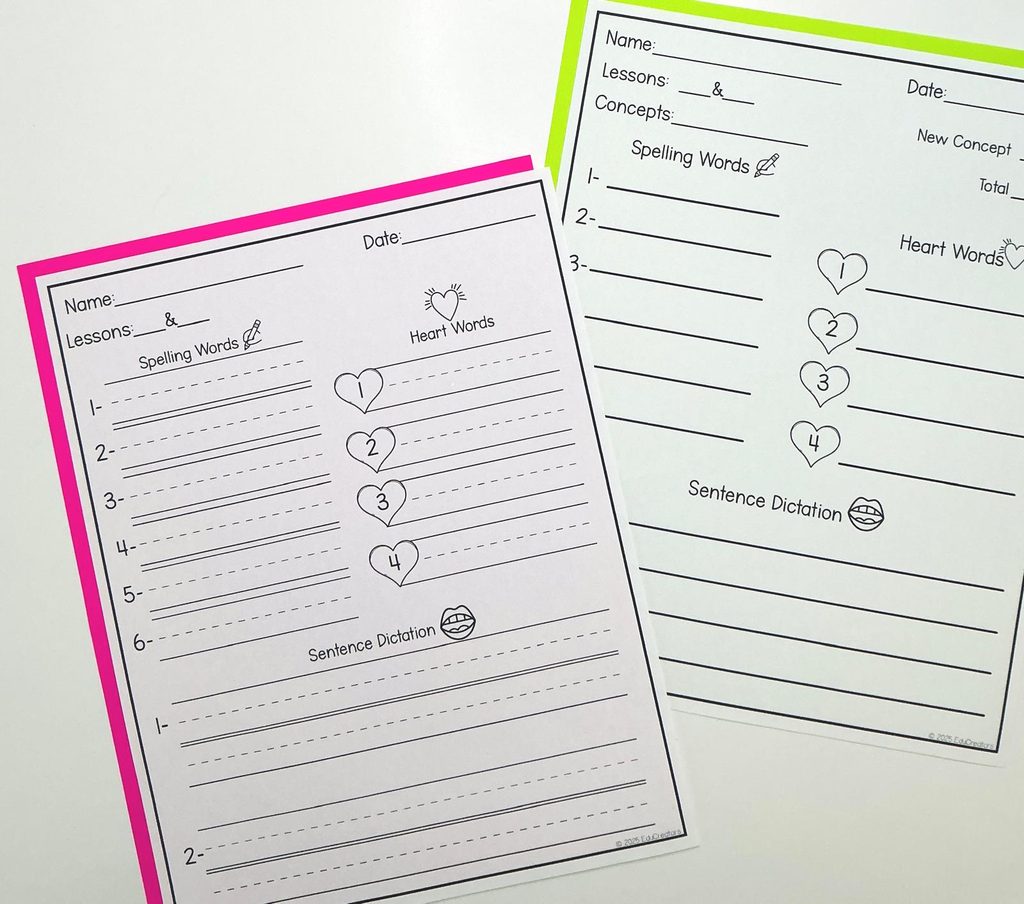
Add connected text and start pulling small groups. Use the built-in assessments to see who needs more time on a concept and who is ready to move on. If you want a printable to keep the data tidy, these UFLI-friendly spelling assessment templates pair well with the program.
Weeks 7-8: Keep the Pace and Check In
Assess every few weeks, regroup, and protect the daily routine. The sequence moves quickly but not rushed. Trust the order and keep going. By mid-September, the routine runs itself, and that is when you feel the payoff: fewer late-night plans and a reading block that works.
Got Questions?
Is UFLI Foundations really free?
Yes. UFLI Foundations is a free phonics program from the University of Florida Literacy Institute. The lesson plans and resources on the UFLI website are free to download and use in your classroom. No license, no kit, no catch.
What grades does UFLI Foundations fit?
UFLI Foundations is designed for beginning readers, which makes it a strong fit for kindergarten and first grade. The lessons start with letters and sounds and build from there.
Do I need to buy materials to teach UFLI?
No. The free materials include everything you need to teach the lessons. Simple supplies like magnetic letter tiles can help, but most teachers already have them on hand.
Start Your Year With a Plan
So here is the back-to-school plan: learn the routine, teach the heart words, add the decodables, and let the built-in assessments guide your groups. UFLI Foundations gives you a clear path, and your students get a reading block that finally makes sense.
You have the program. You have the plan. Now you can walk into August with one less thing to figure out.
💗Vanessa